
You’ve sat in your psychiatrist’s office and heard the word “treatment-resistant” applied to your depression. You’ve tried medications. You’ve done the work.
And you’re still not okay.
Now there’s a new option on the table. Your provider is talking about Spravato… and you want to know what you’re actually agreeing to. Not the glossy version. The honest one.
That’s exactly what this is.
Understanding Spravato side effects isn’t about deciding whether to be afraid. It’s about making an informed decision. Because when traditional antidepressants haven’t worked, you deserve a complete, clear picture of what this treatment involves… not half-answers that leave you guessing.
What Are the Spravato Side Effects?
Let’s start with what the research actually shows.
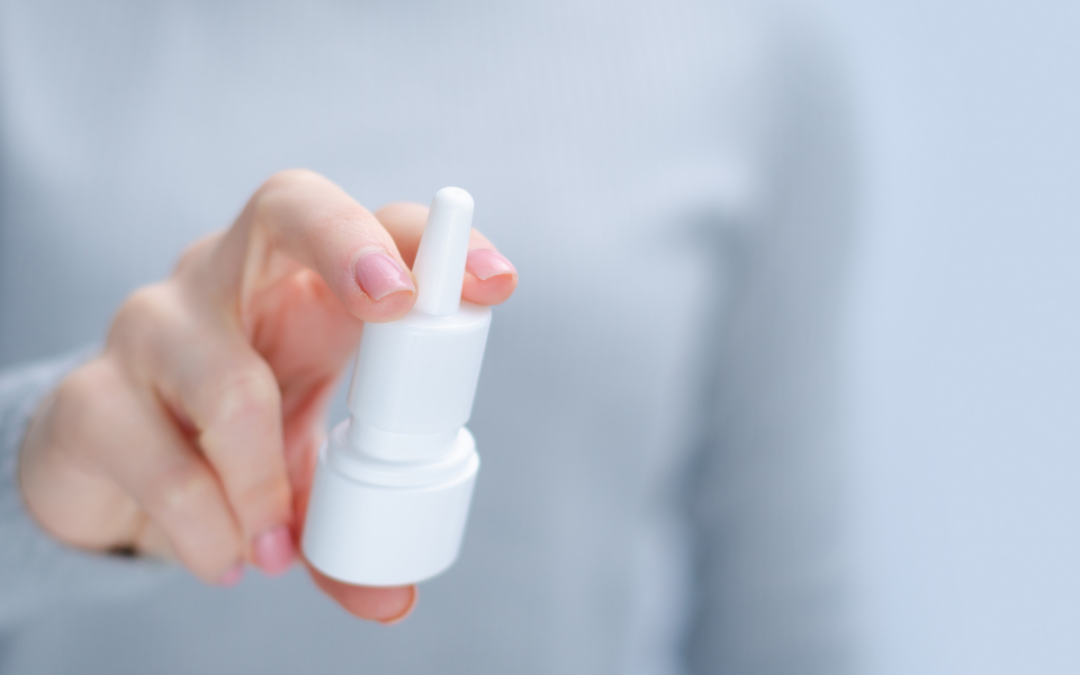
Spravato (esketamine) is an FDA-approved nasal spray administered in a certified healthcare setting. That last part matters. Because unlike medications you take at home alone, Spravato is given under medical supervision… which means providers are present to monitor and respond to anything that comes up.
The most commonly reported Spravato side effects include:
Dissociation — a temporary feeling of detachment from your surroundings, your body, or your sense of time. This is the one that gets the most attention. It can feel disorienting, dreamlike, or strange. It typically begins within the first 40 minutes of a session and resolves before you leave.
Dizziness and nausea — experienced by a significant number of patients, particularly in early sessions. These tend to diminish as your body adjusts.
Sedation and fatigue — you will feel drowsy after a session. This is expected and why you cannot drive yourself home afterward.
Elevated blood pressure — Spravato can temporarily raise blood pressure, which is why it’s monitored during every session.
Headache — mild and short-lived for most people.
These Spravato side effects are real. They’re also manageable, temporary, and happening in a clinical environment where you’re not alone.
What Are the Long-Term Effects of Spravato?
This is where many people get stuck. The honest answer is: long-term data is still being gathered, because Spravato is a relatively newer FDA approval (2019).
What we do know is this: the dissociation and perceptual effects associated with Spravato side effects are acute, meaning they happen during or shortly after treatment. They don’t linger for days. Studies have not identified cognitive deterioration or lasting neurological damage in patients following standard treatment protocols.
There is an important caveat… Spravato has abuse potential because of its relationship to ketamine. This is precisely why it is only available through certified treatment centers and is never dispensed for home use. The controlled setting is a feature, not an inconvenience.
Longer-term concerns under ongoing research include the possibility of bladder issues with sustained, high-frequency use. Current treatment protocols are designed to minimize this risk, and your provider will discuss frequency and duration based on your specific situation.
At New Dawn Psychiatric Care, every patient receives individualized monitoring across the treatment course. You won’t be sent home with a prescription and a pamphlet. You’ll be followed closely.
What Is the Best Medication for Severe Depression?
There isn’t one universal answer to this. And anyone who tells you otherwise isn’t giving you the full picture.
For many people, traditional antidepressants work well. SSRIs and SNRIs remain first-line treatments for good reason… they’re effective, well-studied, and tolerated by a large portion of patients.
But for people with severe, treatment-resistant depression, the picture changes. Spravato was specifically designed for patients who have not responded to adequate trials of oral antidepressants. It targets the glutamate system… a fundamentally different mechanism than traditional medications, which primarily work on serotonin, norepinephrine, or dopamine.
That difference matters. When the standard pathways haven’t produced results, working through a different neurological route can.
Other options that come up in conversations about severe depression include:
- Lithium augmentation for patients already on antidepressants
- TMS (Transcranial Magnetic Stimulation), which uses magnetic pulses to stimulate brain regions involved in mood
- MAOIs, an older class of antidepressants that can be effective for treatment-resistant cases but require significant dietary restrictions
- ECT (Electroconvulsive Therapy), still one of the most effective interventions for severe depression, particularly in crisis situations
Spravato fits into this landscape as a clinically validated, non-invasive option with a rapid onset. Many patients report improvement within days… a meaningful distinction when you’ve been waiting months or years for relief. Understanding Spravato side effects in context means recognizing that this speed of action can be life-changing for people in serious distress.
What Are the Bad Experiences With Spravato?
This deserves a straight answer.
Some patients have difficult sessions. The dissociative effects that some people find mild or even calming are distressing for others. Feeling disconnected from your body or your surroundings when you weren’t expecting it can be frightening… even when it’s temporary.
Some patients report that the nausea is worse than anticipated. Others find the required monitoring period (you stay at the clinic for at least two hours after each dose) to be disruptive to their schedule. A smaller number discontinue treatment because the Spravato side effects aren’t worth the experience for them personally.
There are also patients for whom Spravato simply doesn’t produce the antidepressant response they were hoping for. Like all treatments for depression, it doesn’t work for everyone.
What’s important to hold onto: bad experiences with Spravato are not hidden or minimized in clinical settings. Because you’re being monitored, your provider can see what you’re experiencing, adjust your care, and support you through it in real time. That’s categorically different from taking a medication at home, having a rough reaction, and not knowing who to call.
The Spravato side effects profile is best understood with transparency, not minimization. If a session is difficult, that information goes into your treatment plan. You’re not alone with it.
Who Shouldn’t Use Spravato?
Spravato is not the right fit for everyone, and a responsible evaluation process will identify this before you ever receive your first dose.
Spravato is not recommended if you:
- Have a personal or family history of psychosis or schizophrenia
- Have uncontrolled hypertension or a history of hypertensive crisis
- Have aneurysmal vascular disease or arteriovenous malformation
- Have a history of intracerebral hemorrhage
- Are pregnant or breastfeeding
- Have a history of substance use disorder involving ketamine or PCP
Spravato side effects involving elevated blood pressure make cardiovascular screening essential. Your blood pressure will be checked before and after every session. If it’s too high going in, treatment is postponed.
People with certain psychiatric histories also require careful evaluation. Spravato can exacerbate psychotic symptoms in susceptible individuals… which is why thorough intake assessment isn’t optional, it’s the foundation of safe treatment.
Age is also a consideration. Spravato is currently approved for adults. It is not approved for pediatric use.
If any of the above apply to you, it doesn’t necessarily mean there are no options… it means Spravato specifically isn’t the right one. At New Dawn Psychiatric Care, we take that evaluation seriously. Understanding Spravato side effects is part of the picture. Understanding whether you’re a candidate for the treatment is the other part.
A Different Kind of Treatment Requires a Different Kind of Conversation
Treatment-resistant depression has a way of making people feel like they’ve run out of road. That every option has already been tried and failed. That hope is something that happens to other people.
Spravato represents a genuinely different category of intervention. Not a better version of the same thing you’ve already tried… a different mechanism, a different route, a different possibility.
And yes, Spravato side effects are part of the conversation. They should be. You deserve to walk into a treatment session knowing what might happen, why it happens, and who will be there with you if it does.
That’s exactly how we approach Spravato treatment at New Dawn Psychiatric Care. We don’t oversell outcomes or minimize the reality of what the treatment involves. We evaluate whether it’s right for you, prepare you for what to expect, monitor you through every session, and adjust your care based on what we observe.
Your depression is real. The years of trying things that haven’t worked are real. And so is the possibility that something different might actually help.
If you’re ready to learn more, we’re ready to have the full conversation.